Zhejiang BioAsia Life Science Research Institute was established in 2011 and has an international scientific research team, as well as a "Provincial Postdoctoral Workstation". As the core scientific research engine built with great dedication by BioAsia Biotech, it has always been the company's most strategically valuable academic source and the principal body of original innovation. The institute not only undertakes the mission of company-wide cutting-edge technology breakthroughs, but is also the main source of its high-level academic achievements.
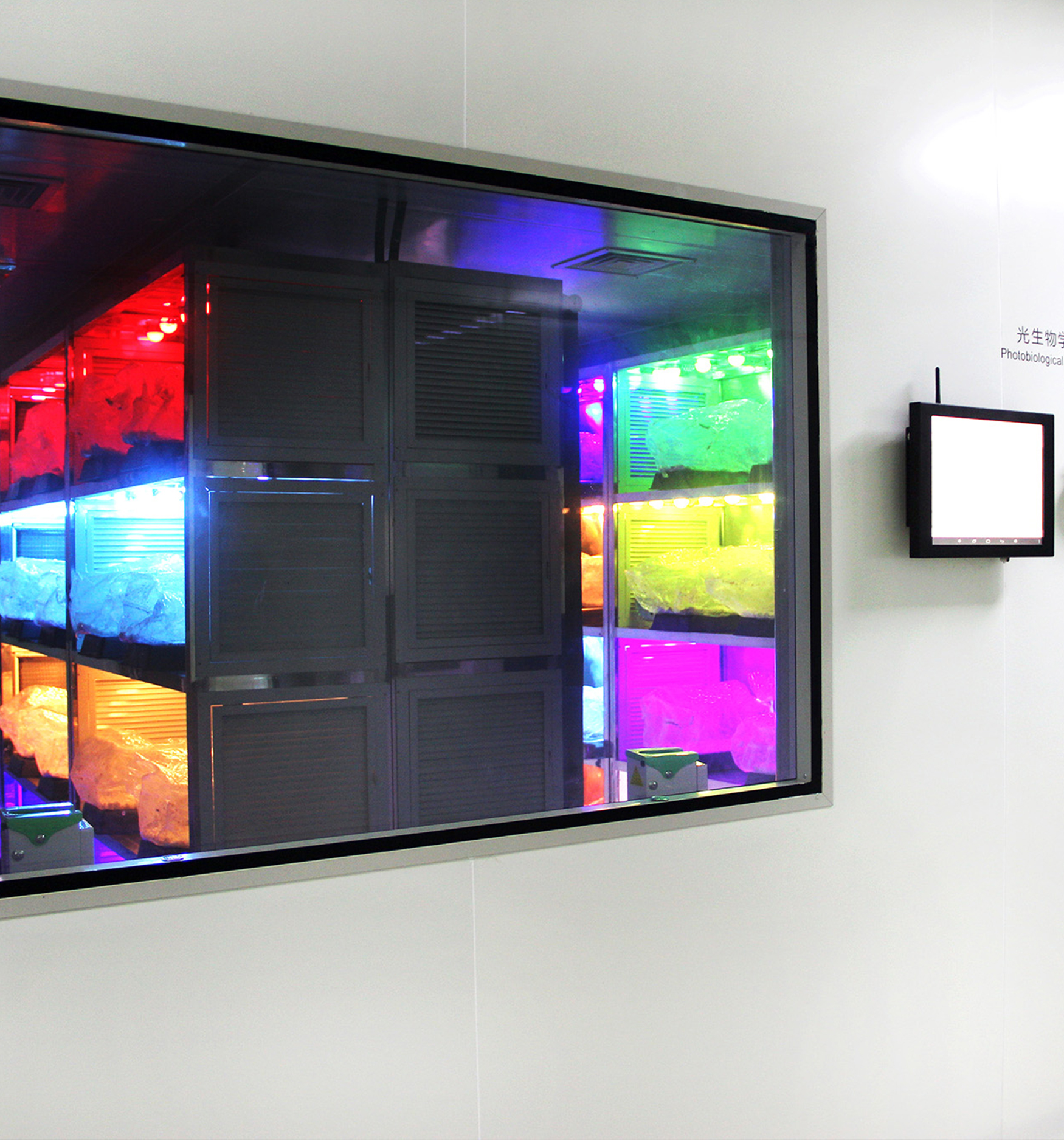
The institute operates an advanced Cordyceps-type fungal resource bank, whose collection of Cordyceps strain species and number of strains ranks among the world's leading. It has established modern scientific experimental platforms including an ecological laboratory, photobiology laboratory, molecular biology laboratory, laboratory animal center, and human microbiome laboratory, focusing on the collection, preservation, research and application development of Cordyceps-type fungal resources.
Authoritative Cordyceps Publications
Core Journal Papers
Domestic and International Partner Institutions
Research Project Achievements
Li Chunru, Wang Yuqin, et al.
Shanghai University of Traditional Chinese Medicine, Zhejiang BioAsia Life Science Research Institute
Objective: To compare the therapeutic effects of wild Cordyceps cicadae and artificially cultivated Paecilomyces cicadae on adenine-induced chronic renal failure rats and analyze differences in their chemical compositions. Methods: Rats were intragastrically administered 1.0 g/kg wild Cordyceps cicadae or Paecilomyces cicadae for 4 weeks. FTIR, GC-MS, LC-MS/MS and UV spectrophotometry were adopted to comprehensively test chemical composition differences. Results: Both wild and cultivated Cordyceps cicadae deliver significant therapeutic effects on chronic renal failure with highly consistent chemical profiles. Conclusion: Artificially cultivated Paecilomyces cicadae can substitute wild Cordyceps cicadae for chronic renal failure treatment to meet market demand. (Source: Drug Design, Development and Therapy, 2019, 13:103-117)
Qin Lixia, Yin Bin, Ren Pan, et al.
School of Pharmacy, East China University of Science and Technology; Zhejiang BioAsia Life Science Research Institute
This research investigates the effects of Isaria cicadae fruiting bodies on rat renal tubular epithelial cells. Results show that Isaria cicadae can alleviate AngII-induced renal tubular injury and fibrosis by regulating the SIRT1/p53 signaling pathway, exerting protective effects against hypertensive kidney damage. (Source: Mycosystema, 2019, 38(9):1501-1509)
Qin Lixia, Wang Yuqin, Li Chunru, et al.
School of Pharmacy, East China University of Science and Technology; Zhejiang BioAsia Life Science Research Institute
The analytical study examined the conversion rate of synnemata and the dynamic changes in polysaccharide, cordycepic acid, adenosine, and N6-(2-hydroxyethyl)adenosine [HEA] contents in synnemata of Isaria cicadae strain BAI0101 at different cultivation time points, with a preliminary evaluation of the sleep-improving efficacy of a formulated synnemata compound. Results showed that the synnemata conversion rate increased from day 18 of cultivation and stabilized around day 30. Polysaccharide, cordycepic acid, and adenosine contents all increased with prolonged cultivation, reaching peak values at 22–24 days before declining. In contrast, N6-(2-hydroxyethyl)adenosine content decreased over time, reaching its minimum at 24–26 days, then rose to peak and stabilized around day 36. The compound formula significantly promoted sleep induced by a sub-threshold dose of pentobarbital sodium, markedly reduced sleep latency in barbital sodium-induced mice, and showed no direct hypnotic effect. According to the Technical Standards for Testing and Assessment of Health Food, the compound is determined to possess the health function of assisting sleep improvement. (Source: Mycosystema, 2020, 39(2): 362-371)
Sun Changsheng, Chen Taobao, Long Wenjun, et al.
Institute of Clinical Pharmacology, Xiangya Hospital, Central South University; Zhejiang BioAsia Life Science Research Institute
Objective: To study the anti-fatigue activity of Cordyceps cicadae fruiting bodies. Methods: Exhaustive swimming tests in mice were adopted to evaluate anti-fatigue effects, with detection indexes including swimming duration, blood lactic acid (LD), serum LDH, SOD and hepatic/muscle glycogen levels. Results: Cordyceps cicadae significantly prolongs exhaustive swimming time, reduces plasma LD, elevates serum LDH & SOD and increases hepatic & muscle glycogen, demonstrating prominent anti-fatigue activity. (Source: Drug Evaluation Research, 2020, 43(4):642-647)
Sun Changsheng, Yin Bin, Li Chunru, et al.
Institute of Clinical Pharmacology, Xiangya Hospital, Central South University; Zhejiang BioAsia Life Science Research Institute
Objective: To conduct toxicological tests and evaluate oral safety of artificially cultivated Cordyceps cicadae synnemata. Methods: Toxicological evaluation was performed using acute toxicity tests, in vitro chromosome aberration tests in Chinese hamster lung cells, bone marrow micronucleus tests, Salmonella typhimurium reverse mutation tests, and teratogenicity tests in pregnant rats. Results: The acute toxicity test showed that the maximum tolerated dose (MTD) for acute oral administration in both male and female rats was >10 g/kg, classifying it as non-toxic. Three genotoxicity tests show negative results with no mutagenicity detected. No significant differences (P>0.05) are observed in maternal weight, stillbirth rate, resorption rate, fetal weight, body length and fontanelle width between treatment and blank groups; no abnormal fetal appearance, visceral or skeletal development is found. Conclusion: Under experimental conditions, Chanhua synnemata show no acute toxicity, genotoxicity or teratogenic effects on pregnant rats, with favorable safety profiles. (Source: Drug Evaluation Research, 2020, 43(4):648-654)
Xie Siyou, Li Chunru, Long Wenjun, et al.
Jimo District Health and Family Planning Comprehensive Supervision and Law Enforcement Bureau (Qingdao); Zhejiang BioAsia Life Science Research Institute; School of Pharmacy, East China University of Science and Technology
Chanhua (Cordyceps cicadae) is a Cordyceps fungus that parasitizes cicadas and is a traditionally valued Chinese medicinal material. Modern studies have demonstrated that Chanhua possesses a wide range of pharmacological effects including immunomodulation, improvement of renal function, anti-fatigue, anti-tumor, and hypoglycemic activities, and has achieved favorable clinical outcomes in the treatment of chronic kidney disease. This article reviews the pharmacological research progress on the nephroprotective effects of natural or artificially cultivated Chanhua—including delaying diabetic nephropathy, combating renal interstitial fibrosis, inhibiting glomerulosclerosis, and protecting residual renal function—as well as clinical research progress on chronic renal failure and chronic interstitial nephritis, aiming to provide a basis for the development of new drugs and health products with nephroprotective effects. (Source: Drug Evaluation Research, 2020, 43(4):630-635)
Zhang Zhongliang, Wang Yuqin, et al.
Institute of Chinese Materia Medica, China Academy of Chinese Medical Sciences; Zhejiang BioAsia Life Science Research Institute
Objective: To elucidate the effects of Chanhua aqueous extract and Chanhua fruiting body compound formula on immune function in mice and to explore the underlying immunomodulatory mechanisms. Methods: Seventy BALB/c mice were randomly divided into 7 groups (n=10): control group, Chanhua aqueous extract high-, medium-, and low-dose groups (0.300, 0.150, 0.075 g/kg), and Chanhua compound formula high-, medium-, and low-dose groups (1.2, 0.6, 0.3 g/kg). After 15 days of intragastric administration, thymus indices and spleen indices were measured. Lymphocyte transformation rate, hemolytic plaque formation, and macrophage phagocytic function were evaluated through splenic lymphocyte transformation tests, hemolytic plaque assays, and carbon clearance tests. Results: Both Chanhua aqueous extract and Chanhua compound formula improved immune organ indices, enhanced splenic lymphocyte transformation capacity, promoted hemolytic plaque formation, and increased macrophage phagocytic function to varying degrees. Conclusion: Chanhua aqueous extract and Chanhua compound formula have immunoenhancing effects on mice. (Source: Drug Evaluation Research, 2020, 43(4):636-641)
Xie Siyou, Yin Bin, Long Wenjun, et al.
Jimo District Health and Family Planning Comprehensive Supervision and Law Enforcement Bureau (Qingdao); Zhejiang BioAsia Life Science Research Institute; School of Pharmacy, East China University of Science and Technology
Cordyceps cicadae is a traditionally valued Chinese medicinal material containing multiple active components including cordycepin, polysaccharides, and adenosine. This paper reviews research progress on its immune-enhancing and anti-tumor activities: Cordyceps polysaccharides activate macrophages via the TLR4 pathway to boost systemic immunity; myriocin exerts prominent immunomodulatory effects; polysaccharides induce tumor cell apoptosis and inhibit tumor angiogenesis through activating the caspase-3 cascade. This review provides theoretical support for further development and utilization of Cordyceps cicadae. (Source: Drug Evaluation Research, 2020, 43(4):624-629)
Sun Changsheng, Wang Yuqin, Lan Xiaoyan, et al.
Institute of Clinical Pharmacology, Xiangya Hospital, Central South University; Zhejiang BioAsia Life Science Research Institute; School of Pharmacy, East China University of Science and Technology; Dongzhimen Hospital, Beijing University of Chinese Medicine
Objective: To evaluate the clinical efficacy and safety of compound Cordyceps cicadae tablets as adjuvant treatment for Type 2 Diabetes Mellitus. Methods: 109 patients were randomly assigned to treatment group and control group. The treatment group received conventional hypoglycemic agents plus compound Cordyceps cicadae tablets, with fasting blood glucose, 2-hour postprandial blood glucose and glycosuria score monitored before and after treatment, as well as adverse reactions recorded. Results: The treatment group achieved a 13.50% reduction in fasting blood glucose, 13.85% reduction in 2h postprandial glucose and 72.2% drop in glycosuria score with no adverse reactions reported. Conclusion: Compound Cordyceps cicadae tablets exert safe adjuvant hypoglycemic effects on Type 2 Diabetes patients. (Source: Drug Evaluation Research, 2020, 43(4):655-659)
Li Zengzhi, Nigel Hywel-Jones, et al.
Zhejiang BioAsia Life Science Research Institute; Engineering Research Center of Fungal Biotechnology, Ministry of Education, Anhui Agricultural University; College of Forestry, Jiangxi Agricultural University; Bioengineering Institute, Bozhou University
Cordyceps cicadae is a vital medicinal fungus in China, but its nomenclature—particularly its scientific name—has long been chaotic. This paper verifies from ancient TCM classics that "Chan Hua (Cordyceps cicadae)" is the oldest and most widely used Chinese common name with priority over other aliases. Its anamorph name Isaria cicadae was designated by Miquel based on Brazilian specimens, while its teleomorph remains undiscovered. This paper systematically reviews the naming history of cicada-associated Cordyceps species and analyzes the root causes of nomenclatural confusion, laying a textual foundation for future discovery and formal naming of its sexual stage. (Source: Mycosystema, 2020, 39(12):2191-2201)
Sun Changsheng, Wang Yuqin, Zhang Zhongliang, et al.
Zhejiang Bio-Asia Life Science Research Institute, Clinical Pharmacology Research Institute of Xiangya Hospital, Central South University
This study aims to establish a quality standard for assessing the effects of Cordyceps cicadae spore-bearing fruiting bodies (Ic-17-7fb) from strain Ic-17-7 on glucose and lipid metabolism, as well as to validate their pharmacological efficacy in a type 2 diabetes mellitus (T2DM) rat model. Pharmacological evaluation was conducted using Albino Wistar rats induced with streptozotocin (STZ) and fed a high-fat diet (HFD). This study established the quality standards for Ic-17-7fb for the first time, which can be effectively applied in the treatment of type 2 diabetes mellitus (T2DM). The reliable quality control methods and demonstrated pharmacological efficacy will broaden its scope of application. (Source: Chinese Journal of Nature Medicines, 2021, 19(12):921-929)
Li Chunru, Wang Yuqin, Li Zengzhi, et al.
Zhejiang Bio-Asia Life Science Research Institute; School of Pharmacy, Anhui Medical University
Cordyceps cicadae (Isaria cicadae Miq.) has been utilized in traditional Chinese medicine for approximately 1600 years. A substantial body of literature has been published regarding its identification, bioactivity, and clinical applications; however, some inaccuracies and inconsistencies warrant further clarification. This article reviews advances in the study of Cordyceps cicadae, encompassing its taxonomy, chemical composition, pharmacological activities, and clinical applications, alongside the current status and future perspectives. (Source: International Journal of Medicinal Mushrooms, 2021, 23(4):81-91)
Li Zengzhi, Nigel Hywel-Jones, et al.
Zhejiang BioAsia Life Science Research Institute; Engineering Research Center of Fungal Biotechnology, Ministry of Education, Anhui Agricultural University; College of Forestry, Jiangxi Agricultural University; Bioengineering Institute, Bozhou University
The taxonomic position and scientific name of Cordyceps cicadae, an important medicinal fungus in China, have long been confused domestically and internationally due to the lack of discovery of its teleomorph; it has been continuously misidentified as Isaria (Paecilomyces) cicadae, a name based on Brazilian specimens. The author recently discovered the teleomorph of Cordyceps cicadae in Jinggangshan, conducted studies on the morphological traits and multilocus phylogenetic characteristics of the specimens and isolates, and compared the sequences with related species deposited in GenBank, confirming that Cordyceps cicadae constitutes a species complex. This study establishes Cordyceps chanhua as a new species within the genus Cordyceps of the family Cordycipitaceae, adopting the traditional medicinal fungus name 'cicada flower' for nomenclature. The stromata of Cordyceps chanhua exhibit colors ranging from pale orange to pale tangerine yellow; the perithecia are semi-immersed, measuring 475–602 × 222–319 μm; asci measure 246–360 × 1.5–1.8 μm; conidia are cylindrical, 6.4–13.8 × 2.1–3.1 μm in size. Conidiophore bundles are pale yellow to pale yellowish-brown; conidia are elongate elliptical to cylindrical, with dimensions of 3.5–10.5 × 1.5–4.5 μm. (Source: Acta Mycologica, 2021, 40(01):95-107)
Wang Yuqin, Cui Qiaoqiao, Li Chunru, et al.
Zhejiang BioAsia Life Science Research Institute
During gestational days 7 to 16, Wistar rats were consecutively administered orally with low, medium, and high doses (0.85, 1.70, and 3.40 g/kg, respectively) of sporocarps of cicada-stick like bundles for 10 days. The effects of treatment were evaluated on maternal weight gain during pregnancy, stillbirth rate, absorption rate, number of live fetuses, average litter size, fetal mouse weight, fetal mouse crown-rump length, anterior fontanelle width, combined uterine and fetal weight, as well as fetal external morphology, internal organ development, and skeletal development, to assess the teratogenic potential associated with exposure to the sporocarps of cicada-stick like bundles in pregnant animals. Different doses of artificially cultivated cicada stalk stromata (0.4, 0.25, 0.125 g/kg) were orally administered to both normal mice and streptozotocin (STZ)-induced hyperglycemic model mice. Fasting blood glucose levels and glucose tolerance were assessed to evaluate the hypoglycemic efficacy of the cicada stalk stromata. The results demonstrated that, compared to the negative control group, no significant differences (P > 0.05) were observed in maternal weight during gestation, stillbirth rate, absorption rate, fetal mouse weight, fetal mouse crown-rump length, anterior fontanelle width, as well as fetal external morphology, visceral development, and skeletal formation across all dosage groups of artificially cultivated cicada stalk stromata in rats. Compared with the model control group, both the medium and low dose groups of artificially cultivated cicada stalk stromata significantly reduced blood glucose levels at 0.5 h post-glucose administration in STZ-induced hyperglycemic model mice (P<0.05). The low dose group also markedly decreased the area under the blood glucose curve from 0 to 2 h in these hyperglycemic mice, without exhibiting adverse effects on body weight or fasting blood glucose levels in normal mice. These results suggest that artificially cultivated Cordyceps cicadae spore-bearing fruiting bodies do not exhibit significant maternal toxicity, embryotoxicity, or teratogenicity in rats, and demonstrate hypoglycemic effects in hyperglycemic mice. (Source: Acta Mycologica, 2021, 40(09):2390-2401)
Tan Youjiu, Long Wenjun, Zhu Bingzhou, et al.
Zhejiang BioAsia Life Science Research Institute
[Objective] This study aims to establish an identification system for wild cultivated Cordyceps cicadae strains through screening via fruiting body cultivation and molecular marker analysis, to obtain high-quality strains suitable for production. Methods: Seven Cordyceps cicadae strains obtained from the wild cultivation of strain A17-7-1 were subjected to fruiting body cultivation screening, and strains were analyzed using the strain A17-7-1-specific SCAR molecular marker. Strains confirmed by SCAR markers were further analyzed using ISSR molecular markers to determine the genetic characteristics of the cultivated strains. Results: Fruiting body cultivation screening identified two strains with fruiting body yields exceeding that of strain A17-7-1. SCAR molecular marker analysis demonstrated that DNA fragments specific to strain A17-7-1 were amplified from the genomic DNA of these two high-yield strains. ISSR molecular marker analysis demonstrated that one strain exhibiting a significant increase in fruiting body yield showed banding patterns completely identical to those of A17-7-1, whereas another strain with no significant increase in fruiting body yield lacked two bands. [Conclusion] Field cultivation of Cordyceps cicadae can enhance fruiting body yield; SCAR markers allow rapid identification of whether a strain is a cultivated strain; ISSR markers can preliminarily assess the genetic characteristics of strains. (Source: Southwestern Journal of Agricultural Sciences, 2021, 34(09):1835-1839)
Li Chunru et al.
Key Laboratory of Biochemical Utilization, Zhejiang Academy of Forestry, Key Laboratory for Protection and Innovation of Zhejiang Traditional Chinese Medicine Resources, Zhejiang Bio-Asia Life Sciences Research Institute, School of Life Sciences, Zhejiang University
Polysaccharides are the key bioactive components responsible for the health functions of Paecilomyces hepiali and are influenced by different preparation methods. To investigate high-value polysaccharides and mitigate the adverse effects of human intervention, this study applied a green, tunable deep eutectic solvent (DES) to optimize the extraction of polysaccharides (PHPS-D), and comparatively analyzed their structural characteristics and immunomodulatory activities against polysaccharides extracted by the hot water method (PHPS-W). Immunomodulatory assays indicate that PHPS-D exhibits superior efficacy compared to PHPS-W in enhancing phagocytic activity of RAW264.7 cells, as well as in stimulating the secretion of nitric oxide and pro-inflammatory cytokines (IL-6, TNF-α, and IL-1β); this effect is associated with activation of corresponding mRNA expression. (Source: Molecules, 2022, 27(22):8020-8040)
Li Zengzhi, Nigel Hywel-Jones, Sun Changsheng
Zhejiang Bio-Asia Life Sciences Research Institute and Microbial Control Key Laboratory, Anhui Agricultural University
Based on archaeological and historical documentation, scholarly literature posits that the recognition of Cordyceps spans over 5,000 years and can be classified into four distinct stages: the era of worship, the materia medica era, the descriptive era, and the molecular era. The era of worship is characterized by shamanistic rituals and totemic veneration of Cordyceps; The materia medica era is defined by the documentation of Cordyceps in classical pharmacopeias such as Ben Cao Cong Xin and Ben Cao Gang Mu Shi Yi; the descriptive era primarily emphasized systematic taxonomy and morphological characterization; The molecular era is distinguished by the application of DNA barcoding and molecular phylogenetics, marking a transition in Cordyceps classification from morphology-based approaches to molecular biology. This article provides a systematic review of the historical trajectory of Cordyceps cultural and scientific development. Source: Journal of Mycology, 2022, 41(11):1731-1760
Xu Zhendong, Shen Jiaqi, Cui Qiaoqiao et al.
Zhejiang BioAsia Life Science Research Institute
Improvement and Nutritional Component Analysis of Isaria cicadae Fungal Material: This study improved the quality of Isaria cicadae fungal material by optimizing the culture medium formulation and cultivation conditions, and analyzed and evaluated its principal nutritional constituents—including protein, amino acids, polysaccharides, cordycepin, and adenosine—thereby providing a scientific foundation for the advanced processing and product development of Isaria cicadae fungal material. (Source: Advances in Microbiology, 2022, 11(2):102-111)
Shen Jiaqi, Xu Zhendong, Cui Qiaoqiao, et al.
Zhejiang BioAsia Life Science Research Institute
Screening study on the enrichment of micronutrients in sporocarps of Isaria cicadae. This study evaluated the enrichment capacity of sporocarps of Isaria cicadae for selenium, zinc, iron, and copper, determining the optimal conditions for micronutrient accumulation, thus providing technical support for the development of functional Isaria cicadae products enriched with trace elements. Source: Hans Journal of Food and Nutrition Science, 2022, 11(1):21-26
Dong Jianfei, Pan Kun, Li Cheng, Sun Changsheng, et al.
Zhejiang Bio-Asia Life Sciences Research Institute, Shanghai Haifeng Aquaculture Co., Ltd.
The experimental design consisted of two groups: a control group and an experimental group, each comprising one pond of approximately 1 hectare, with a stocking density of 40,000 fish per hectare. The cultivation cycle is 8 weeks, with feeding conducted twice daily, each time administering 200 kg of pellet feed. The experimental results demonstrate that the experimental group supplemented with Isaria cicadae fungal material showed elevated levels of immunoglobulins IgG and IgM compared to the control group, with superoxide dismutase (SOD) activity increased by 41.40% relative to the control, exhibiting a highly significant difference (P<0.01); Glutathione peroxidase activity (GSH-PX) increased by 39.87% compared to the control group, with the difference being highly significant (P<0.01). Supplementation with Isaria cicadae fungal material enhances total immunoglobulin levels, superoxide dismutase activity, and glutathione peroxidase activity in catfish. (Source: Frontiers in Microbiology, 2022, 11(4):177-181)
Dong Jianfei, Sun Changsheng, Li Chunru et al.
Zhejiang Bio-Asia Life Sciences Research Institute, Comparative Medicine Laboratory of Guangdong Medical Experimental Animal Center, School of Pharmacy, Anhui Medical University
Cordyceps chanhua is extensively utilized in traditional Chinese medicine. This study employed acute hyperuricemia (AH) and chronic gout (CG) animal models to investigate the uric acid-lowering effects of artificially cultivated sporocarps of Isaria cicadae (FBCC). The results demonstrated that high-dose FBCC significantly reduced uric acid levels in AH mice (P<0.05). In CG rats, serum uric acid levels in all FBCC groups and serum creatinine levels in the high-dose group were significantly decreased (P<0.05). FBCC effectively reduces uric acid and improves renal function, representing a beneficial supplement for uric acid reduction and gout mitigation. (Source: International Journal of Medicinal Mushrooms, 2023, 25(8):63-72)
Nigel Hywel-Jones et al.
Department of Agriculture and Fisheries, Plant Pathology Specimen Collection; Zhejiang Pan-Asia Life Sciences Research Institute; James Cook University Tropical Plant Specimen Collection; University of Southern Queensland Crop Health Centre
New species description: Aschersonia mackerrasiae Y.P. Tan, R.G. Shivas, Abell, Hywel-Jones & Marney, sp. nov. This new species, assigned to the genus Aschersonia within the family Cordycipitaceae, was isolated and identified from specimens collected in Australia and represents a novel spider pathogenic fungus. (Source: Persoonia, 2023, 50, Fungal Planet description sheets: 218-219)
Nigel Hywel-Jones et al.
Department of Agriculture and Fisheries, Plant Pathology Specimen Collection; Zhejiang Pan-Asia Life Sciences Research Institute; James Cook University Tropical Plant Specimen Collection; University of Southern Queensland Crop Health Centre
New species description: Hevansia mainiae Y.P. Tan, R.G. Shivas, Abell, Hywel-Jones & Marney, sp. nov. This new species, belonging to the family Cordycipitaceae, was isolated and identified from specimens collected in Australia, and constitutes a novel spider pathogenic fungus. (Source: Persoonia, 2023, Vol. 51, Fungal Planet Description Sheets: 320–321)
Li Zengzhi et al.
Key Laboratory of Microbial Control, Anhui Agricultural University; Bengbu City Bureau of Natural Resources and Planning; Zhejiang Pan-Asia Life Sciences Research Institute
Spiders comprise a group of animals belonging to the order Araneae, class Arachnida, phylum Arthropoda. Spider pathogenic fungi constitute a group of pathogens that parasitize spiders. Spider pathogenic fungi play an indispensable role in the sustained regulation of spider populations and the maintenance of ecological balance. Additionally, several species are rich in diverse bioactive compounds, thereby possessing considerable economic value. This study targets spider pathogenic fungi, employing classical morphological and molecular systematic taxonomic methods. Using the updated classification system of entomopathogenic fungi, species identification was conducted on specimens and isolated fungal strains to determine the species diversity of spider pathogenic fungi. Eighty spider pathogenic fungal specimens were collected nationwide, resulting in the identification of 2 families, 8 genera, and 21 species, including 3 novel species (previously published), 7 undescribed species, and 1 newly recorded species. The genus Purpureocillium is the dominant genus, with a relative abundance of 26.25%. (Source: Journal of Mycology, accepted final manuscript published online first on 2023-11-06)
Wang Qiming, Sun Jingran, Long Wenjun, et al.
School of Pharmacy, East China University of Science and Technology; School of Traditional Chinese Medicine, Shanghai University of Traditional Chinese Medicine; Zhejiang Pan-Asia Life Sciences Research Institute
This study investigated the growth status of Guangdong Isaria fruiting bodies cultured under varying mass concentrations of exogenous selenium (Na2SeO3), and analyzed active components including adenosine (Adenosine, AD), polysaccharides (Polysaccharide, PS), and cordycepin (Cordycepin, CA). The optimal selenium mass concentration for the Guangdong Isaria fungal strain was determined. Additionally, the total selenium content and its chemical forms in fruiting bodies cultivated at this optimal concentration were measured. Preliminary in vitro antioxidant activity of the crude polysaccharides was also evaluated. The results indicate that at a Na2SeO3 mass concentration of 30 mg/kg, the biological transformation rate, AD, and PS achieve their peak values, representing the optimal selenium enrichment concentration. At this concentration, organic selenium comprises 100% of the selenium content in the fruiting bodies of Guangdong Isaria, with seven distinct selenium species identified. In vitro antioxidant activity evaluation revealed that, at equivalent mass concentrations, the selenium-enriched crude polysaccharide (CPS-Se) from Guangdong Isaria exhibited superior antioxidant activity, with radical scavenging rates for DPPH, ABTS+, and hydroxyl radicals reaching 95.70%, 97.37%, and 95.70%, respectively. Source: Modern Food Science and Technology, 2024, 40(08):178-188
Li Zengzhi et al.
Key Laboratory of Microbial Control, Anhui Agricultural University; Bengbu City Bureau of Natural Resources and Planning; Zhejiang Pan-Asia Life Sciences Research Institute
[Background] Akanthomyces lecanii is an important entomopathogenic fungus used in biological control, yet detailed information regarding its mitochondrial genome remains unreported. [Objective] To conduct a systematic study of the mitochondrial genome of Akanthomyces lecanii to clarify its accurate phylogenetic position and provide molecular evidence supporting phylogenetic analysis, resource conservation, and utilization of fungi within the Family Cordycipitaceae. [Results] The complete circular mitochondrial genome of fungal strain RCEF6920 measures 24,577 bp, comprising 43 genes in total: 15 protein-coding genes, 2 rRNA genes, and 26 tRNA genes. Only a single intron was identified. Phylogenetic analysis based on protein-coding genes demonstrates that the genera Akanthomyces and Samsoniella are sister taxa. [Conclusion] This study acquired the full mitochondrial genome sequence and associated data of Ophiocordyceps. Source: Microbiology Bulletin, 2024, 51(08):3103-3118
Li Chunru, Li Zengzhi et al.
Zhejiang Bio-Asia Life Sciences Research Institute; Dongguan Dongyangguang Biopharmaceutical R&D Co., Ltd.
A review of recent advances in the application of multigene combination approaches in Cordyceps research. This article provides a systematic overview of the principles and methodologies of multigene phylogenetic analyses in the taxonomy and identification of Cordyceps. It summarizes the application of commonly used genetic markers—including ITS, TEF, RPB1, RPB2, and TUB—in phylogenetic studies of the genus Cordyceps and the family Cordycipitaceae. The advantages of multigene combination methods over single-gene barcoding are analyzed. Furthermore, the crucial role of these techniques in the discovery of novel species, the detection of cryptic species, and the resolution of species complexes in Cordyceps is discussed. Finally, the article outlines prospective directions for future research developments. (Source: Journal of Mycology, 2025, 32(02):104-114)
Ma Yuewen, Li Wei, Ye Xianglu, et al.
School of Pharmacy, East China University of Science and Technology; Zhejiang PaBio-Asia Life Sciences Research Institute
Investigation of the Mechanism of Action of Isaria cicadae Nucleoside Extract in Treating Photosensitive Dermatitis Based on Network Pharmacology, Molecular Docking, and Experimental Validation. Research has identified thymine, adenine, N6-(2-hydroxyethyl)adenosine, inosine, and adenosine as the principal bioactive nucleoside components in Isaria cicadae. Network pharmacological analysis reveals that the PI3K-Akt, TNF, MAPK, and IL-17 signaling pathways constitute the main mechanisms underlying its pharmacological effects. Experimental validation confirms that nucleoside extracts from Isaria cicadae suppress the release of p38 MAPK and MMP9, thereby mitigating inflammation and tissue injury in photodermatitis. (Source: Journal of Mycology, 2025, Online First)
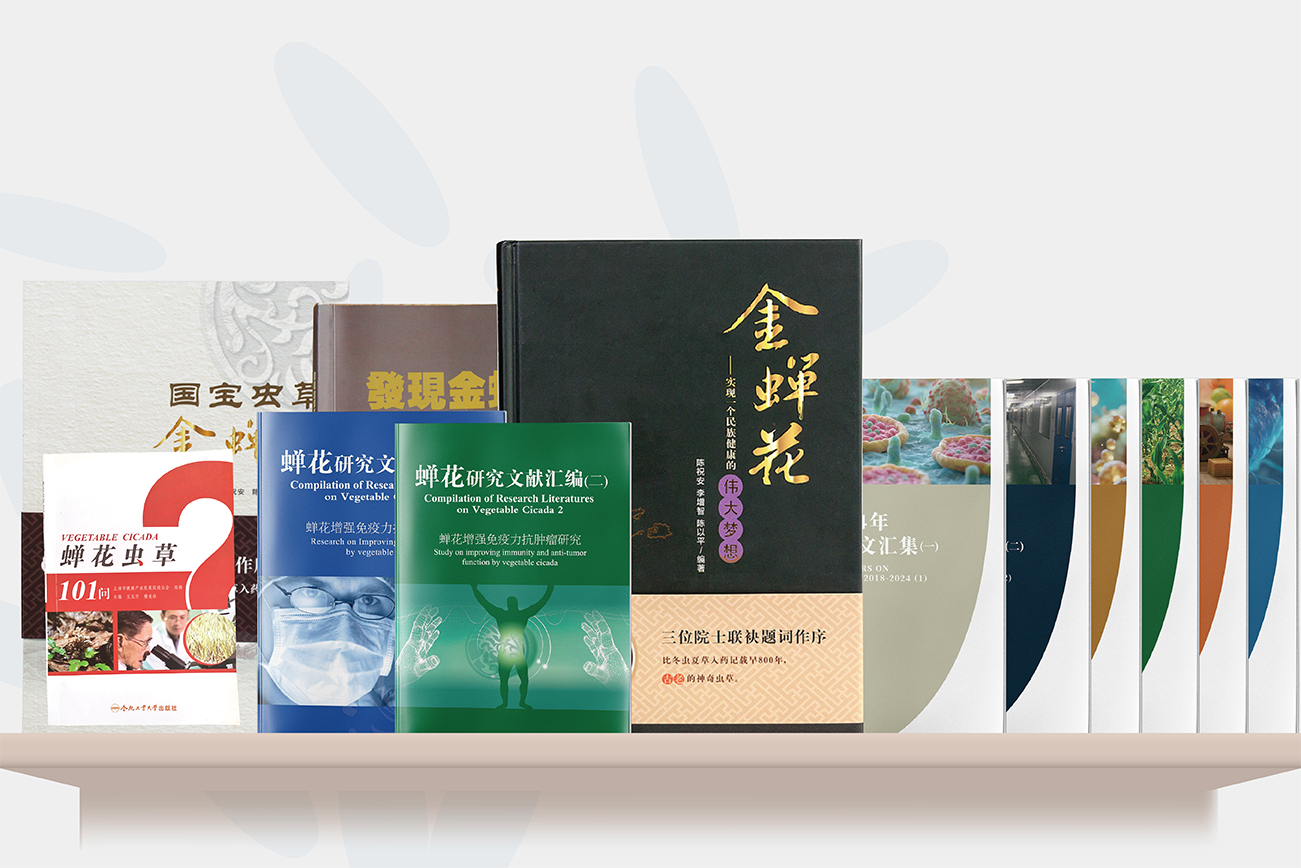
The books National Treasure Chanhua, Chanhua: Realizing the Great Dream of a Nation's Health, and Discovering Chanhua, together with the subsequent popular-science Q&A 101 Questions on Chanhua, the academic compilation Chanhua Research Literature Compilation, and the World Cordyceps Forum 2011-2017, which gathers the latest international achievements, together form a complete narrative thread.
From a legendary documentary account, to the grand vision of national health, and then to systematic scientific consolidation and dialogue with global academia - this complete thread from discovery to verification, from local to global, from vision to evidence, is both a microcosm of the history of Cordyceps science and a measure of BioAsia Biotech's persistence and vision in taking scientific research as its foundation and health as its mission. Each volume is not merely a sedimentation of the past, but a step toward the future.
The BioAsia Life Sciences Research Institute actively engages in academic collaborations with prestigious domestic and international research institutions, thereby establishing a comprehensive network of scientific partnerships. It has established long-term and stable cooperative relationships with leading domestic research institutions, including the Institute of Microbiology, Chinese Academy of Sciences; the Institute of Medicinal Plant Development, Chinese Academy of Medical Sciences; the School of Life Sciences at Zhejiang University; and the School of Medicine at Shanghai Jiao Tong University.
In terms of international collaboration, the institute undertakes joint research projects on Cordyceps with internationally renowned academic teams at Uppsala University (Sweden), Cornell University (USA), and the University of Tokyo (Japan), collectively promoting the global frontier of Cordyceps-Related Fungi research. Continuously enhance the institute's academic influence and research innovation capacity through academic exchanges, personnel visits, and joint training programs.
Chinese Academy of Sciences, Zhejiang University, Shanghai Jiao Tong University, among others
Universities in Sweden, the United States, Japan, and others